Root crop · Earth (Taurus, Virgo, Capricorn)
Celeriac by the moon calendar 2027
For Celeriac the biodynamic calendar uses the root day: the moon then stands in front of Taurus, Virgo, Capricorn. Sowing and planting: February, March, April, May. Harvest: September, October, November.
The sowing days in your inbox once a month
The calendar mail brings the sowing days and all gardening sheets as PDFs every month. Free, unsubscribe with one click.
The next favourable days
Root days in season
Friday, February 5, 2027Root dayCapricorn
Moon path: ascending
Sunday, February 7, 2027Root dayCapricorn
Moon path: ascending
Sunday, February 14, 2027Root dayTaurus
Moon path: ascendingFirst Quarter
Monday, February 15, 2027Root dayTaurus
Moon path: ascending
Tuesday, February 16, 2027Root dayTaurus
Moon path: descending
Monday, February 22, 2027Root dayVirgo
Moon path: descending
Tuesday, February 23, 2027Root dayVirgo
Moon path: descending
Wednesday, February 24, 2027Root dayVirgo
Moon path: descending
The days follow Maria Thun’s method.Maria Thun calendar today →Get the PDF →
Sowing, planting and harvesting by the moon
- Sowing and planting
- February, March, April, May
- Harvest
- September, October, November
The months apply to Central Europe. In the southern hemisphere they fall half a year later; in the calendar app you can switch this under Hemisphere.
Sow on a root day. Plant out and transplant in the descending moon, leaving a few hours around lunar nodes and perigee free. Root vegetables are preferably sown in the descending moon.
Harvest root vegetables towards evening, preferably in the descending moon. For storage not at full moon, not at perigee and not on a leaf day (Masson).
Celeriac
In practice
Celeriac germinates at 18 to 20 °C. If the germination temperature is below 16 °C, the plants are likely to bolt later. A seed bath helps germination and strengthens the young plants’ resilience. Use the valerian preparation (507), one drop to one litre of water, stirred for 10 to 20 minutes, or a tea of valerian flowers cooled to lukewarm. The seeds soak in it for about an hour on the evening before sowing. Celeriac is planted out together with the other warmth-loving crops such as tomatoes and peppers.
As a heavy feeder, celeriac gets younger compost in spring that has only just stopped heating up. Prepared liquid manure works in the same way. In high summer it gets a further feed and regular watering. A simple garlic tea, sprayed finely in the evening, has proved effective against fungi on the leaves. As an exception, horn silica (501) is sprayed on celeriac in the evening, 2 to 3 weeks before harvest. This draws strength from the leaves, and the roots become sweeter, more aromatic and keep longer.
There is no fixed harvest date. The longer the roots stay in the ground, the better. Celeriac for storage is lifted at the end of October or later, in any case before the first sub-zero temperatures. Dig on a dry day with a garden fork. Shake or roughly brush off the clinging soil, and cut the leaves off just above where they join the root. An old washing machine drum sunk into the bed makes a good outdoor store, or alternatively apple crates or fine-mesh wire baskets, free-draining and mouse-proof. To prevent rot, the roots are layered with the stalk end upwards. A thick layer of leaves or straw protects the store from frost and winter wet.
Companion planting
Good and bad neighbours
- Good neighbours
- Cauliflower, Broccoli, French bean, Cucumber, Leek, Brussels sprouts, Red cabbage, Spinach, Tomato, White cabbage, Savoy cabbage
- Bad neighbours
- Potato, Butterhead lettuce, Maize, Parsley
Sources: Gertrud Franck, Schwester Christa, Mischkultur-Praxis.
Growing
Position and crop rotation
- Group
- Vegetables
- Growing time
- approx. 180 days
- Position
- Sun, Partial shade
- Nutrient needs
- Medium feeder
Crop rotation: the following year Light feeder in the bed.
Preceding crop: Spinach, Lamb's lettuce (in the bed before)
Following crop: Lamb's lettuce, Garlic (in the bed afterwards)
Frequently asked questions about Celeriac and the moon
When do you sow and plant Celeriac by the moon calendar?
In February, March, April, May on a root day. The next suitable days are listed at the top of this page.
When do you harvest Celeriac by the moon?
In September, October, November on a root day. Harvest root vegetables towards evening, preferably in the descending moon. For storage not at full moon, not at perigee and not on a leaf day (Masson).
Which neighbours suit Celeriac?
Good neighbours: Broccoli, Brussels sprouts, Cauliflower, Cucumber, French bean, Leek, Red cabbage, Savoy cabbage, Spinach, Tomato, White cabbage. Bad neighbours: Butterhead lettuce, Maize, Parsley, Potato.
Buy and use biodynamic preparations
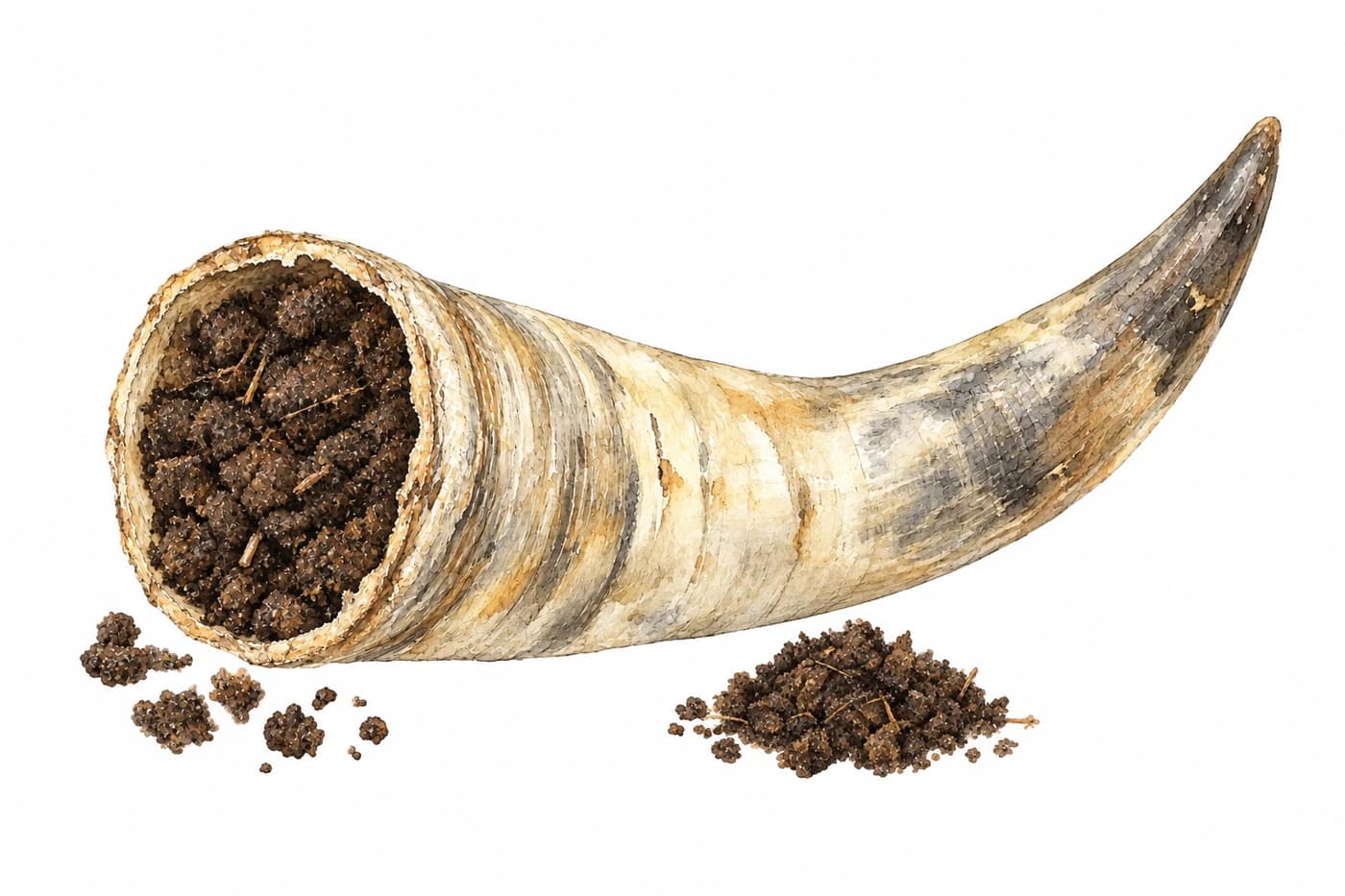 Horn manure 500from €19.69View preparation →
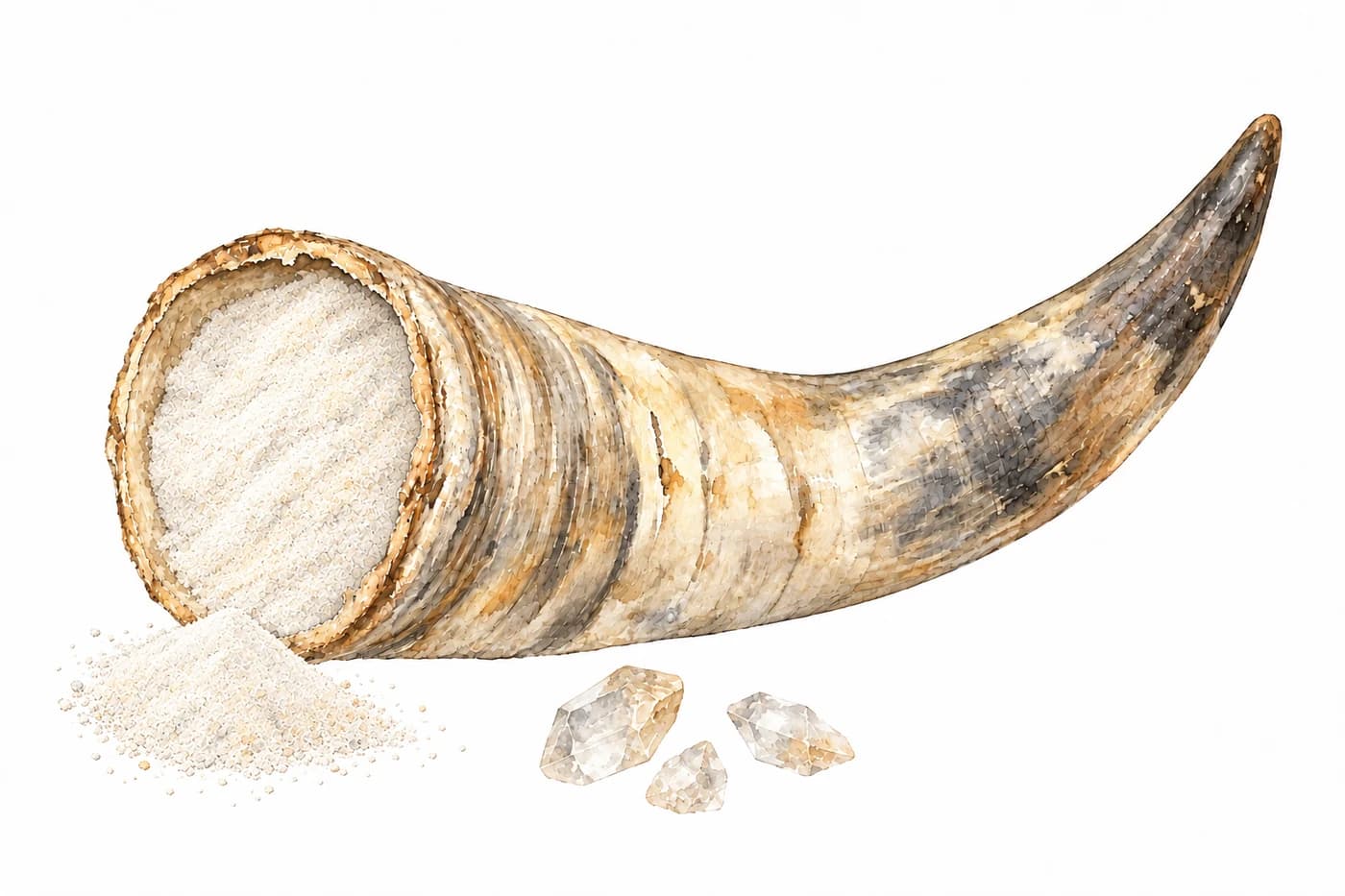 Horn silica 501from €14.19View preparation →
 Horsetail preparation 508from €14.19View preparation →
All biodynamic preparations →How much do I need? Open the preparation calculator →
More plants by the moon
Gardening by the moon
 Planting and transplanting by the moon
 Repotting by the moon
 Pruning by the moon
 Fertilising and soil work by the moon
 Harvesting by the moon
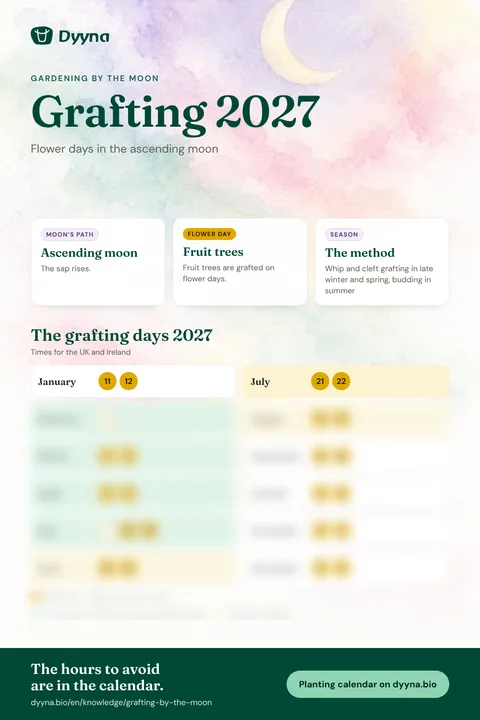 Grafting by the moon
 Watering by the moon calendar 2026
 Mowing and sowing the lawn by the moon calendar 2026
 Cutting the hedge by the moon calendar 2026
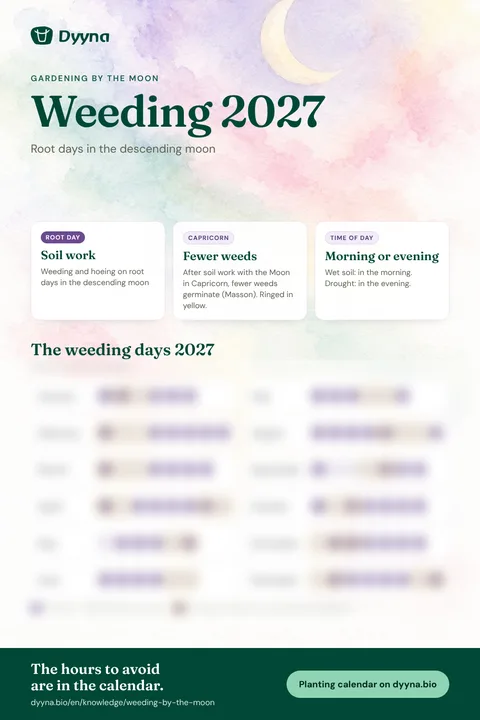 Weeding by the moon calendar 2026
 Houseplants by the moon calendar 2026
- Felling trees and cutting timber by the moon 2026
Sources: Demeter-Gartenrundbrief 1/2024 · Demeter-Gartenrundbrief 5/2023 · Demeter-Gartenrundbrief 3/2026 · Demeter-Gartenrundbrief 4/2025 · Demeter-Gartenrundbrief 6/2025 · Demeter-Gartenrundbrief 1/2026 · Pierre Masson: Landwirtschaft, Garten- und Weinbau biodynamisch