Fruit crop · Warmth (Aries, Leo, Sagittarius)
Tomatoes by the moon calendar 2027
For Tomatoes the biodynamic calendar uses the fruit day: the moon then stands in front of Aries, Leo, Sagittarius. Sowing and planting: February, March, April, May. Harvest: July, August, September, October.
The sowing days in your inbox once a month
The calendar mail brings the sowing days and all gardening sheets as PDFs every month. Free, unsubscribe with one click.
The next favourable days
Fruit days in season
Tuesday, February 2, 2027Fruit daySagittarius
Moon path: ascending
Wednesday, February 3, 2027Fruit daySagittarius
Moon path: ascending
Thursday, February 4, 2027Fruit daySagittarius
Moon path: ascending
Friday, February 12, 2027Fruit dayAries
Moon path: ascending
Saturday, February 13, 2027Fruit dayAries
Moon path: ascending
Sunday, February 21, 2027Fruit dayLeo
Moon path: descending
Tuesday, March 2, 2027Fruit daySagittarius
Moon path: ascending
Wednesday, March 3, 2027Fruit daySagittarius
Moon path: ascending
The days follow Maria Thun’s method.Maria Thun calendar today →Get the PDF →
Sowing, planting and harvesting by the moon
- Sowing and planting
- February, March, April, May
- Harvest
- July, August, September, October
The months apply to Central Europe. In the southern hemisphere they fall half a year later; in the calendar app you can switch this under Hemisphere.
Sow on a fruit day. Plant out and transplant in the descending moon, leaving a few hours around lunar nodes and perigee free.
Harvest parts above ground in the morning, preferably in the ascending moon.
Tomatoes
In practice
Tomatoes are planted deep so that they stand firmly and form adventitious roots on the buried stem. The first pair of true leaves stays above the soil, and the seed leaves can go into the ground. When raising, early pricking out into individual pots gives compact plants. Until planting out they are kept bright and rather cool. Sparing watering and stroking them with the flat of your hand several times a day keep them stocky.
As a base dressing, a shovel of compost per plant is enough, ideally young compost that has only just stopped heating up. Later feeds are given with nettle liquid manure in the watering can or with potassium-rich comfrey liquid manure. Too much fertiliser drives leaf growth and makes the plants more susceptible to blight. Evenly moist soil helps prevent blossom end rot and split fruit. A layer of mulch evens things out, and it is only laid on warm soil. Cordon tomatoes are continually trained up and have their side shoots removed. Towards the end of the season, new flower trusses are broken off and the growing tip is left.
To prepare the bed, horn manure goes onto the soil in the evening. Horn silica (501), sprayed finely over leaves, flowers and fruit about every four weeks early in the morning, encourages fruit formation and flavour. Spraying is also fine during flowering. As a precaution against late blight, horsetail decoction is used, and against septoria leaf spot a tea of fresh yarrow leaves. An extract of 4 to 5 handfuls of crushed tomato leaves in 10 l of water helps prevent fungal diseases. It is sprayed undiluted and does not keep.
Cherry tomatoes ripen on the truss for a few more days and become sweeter. Salad and plum tomatoes gain flavour if they stay on the plant after turning red. Thin-skinned varieties such as “Goldene Königin” split easily when the water supply is uneven, and such fruit should go straight to the kitchen. Tomatoes harvested in autumn are stored in crates at about 12 °C.
Companion planting
Good and bad neighbours
- Good neighbours
- Basil, Cauliflower, Borage, Stinging nettle, Broccoli, French bean, Chilli, Kale, Nasturtium, Garlic, Celeriac, Kohlrabi, Butterhead lettuce, Coriander, Lavender, Maize, Mint, Carrot, Oregano, Sweet pepper, Parsley, Phacelia, Leek, Radish, Winter radish, Calendula, Brussels sprouts, Rosemary, Red clover, Rocket, Horsetail, Shallot, Chives, Spinach, Ribwort plantain, Celery, Tagetes, Thyme, White clover, Savoy cabbage
- Bad neighbours
- Pea, Fennel (bulb), Cucumber, Potato
Sources: Gertrud Franck, Schwester Christa, Mischkultur-Praxis.
Growing
Position and crop rotation
- Group
- Vegetables
- Growing time
- approx. 90 days
- Position
- Sun
- Nutrient needs
- Heavy feeder
Crop rotation: the following year Medium feeder in the bed.
Preceding crop: Spinach, Butterhead lettuce, Radish (in the bed before)
Following crop: Lamb's lettuce, Garlic, Spinach (in the bed afterwards)
Frequently asked questions about Tomatoes and the moon
When do you sow and plant Tomatoes by the moon calendar?
In February, March, April, May on a fruit day. The next suitable days are listed at the top of this page.
When do you harvest Tomatoes by the moon?
In July, August, September, October on a fruit day. Harvest parts above ground in the morning, preferably in the ascending moon.
Which neighbours suit Tomatoes?
Good neighbours: Basil, Borage, Broccoli, Brussels sprouts, Butterhead lettuce, Calendula, Carrot, Cauliflower, Celeriac, Celery, Chilli, Chives, Coriander, French bean, Garlic, Horsetail, Kale, Kohlrabi, Lavender, Leek, Maize, Mint, Nasturtium, Oregano, Parsley, Phacelia, Radish, Red clover, Ribwort plantain, Rocket, Rosemary, Savoy cabbage, Shallot, Spinach, Stinging nettle, Sweet pepper, Tagetes, Thyme, White clover, Winter radish. Bad neighbours: Cucumber, Fennel (bulb), Pea, Potato.
Buy and use biodynamic preparations
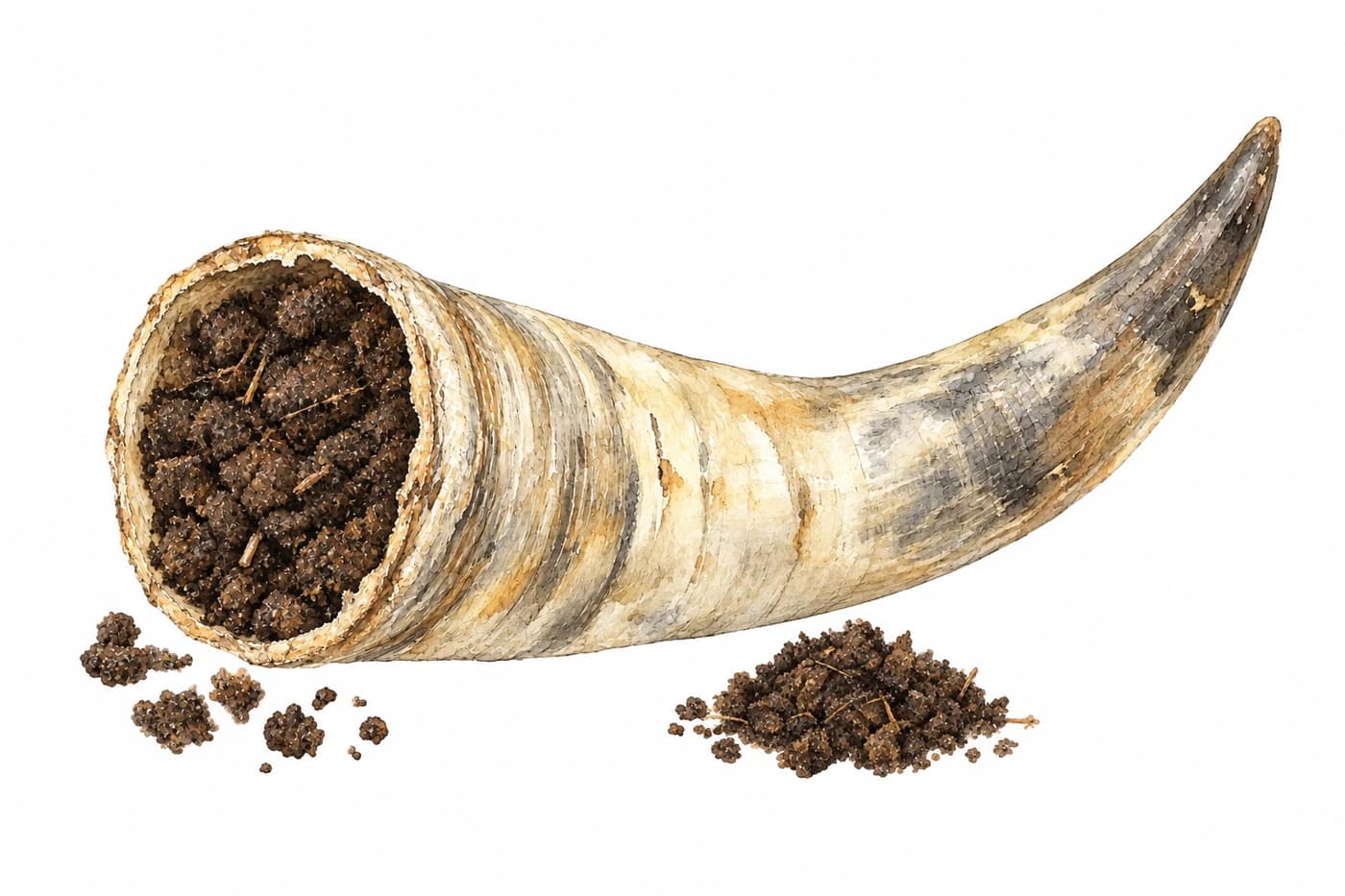 Horn manure 500from €19.69View preparation →
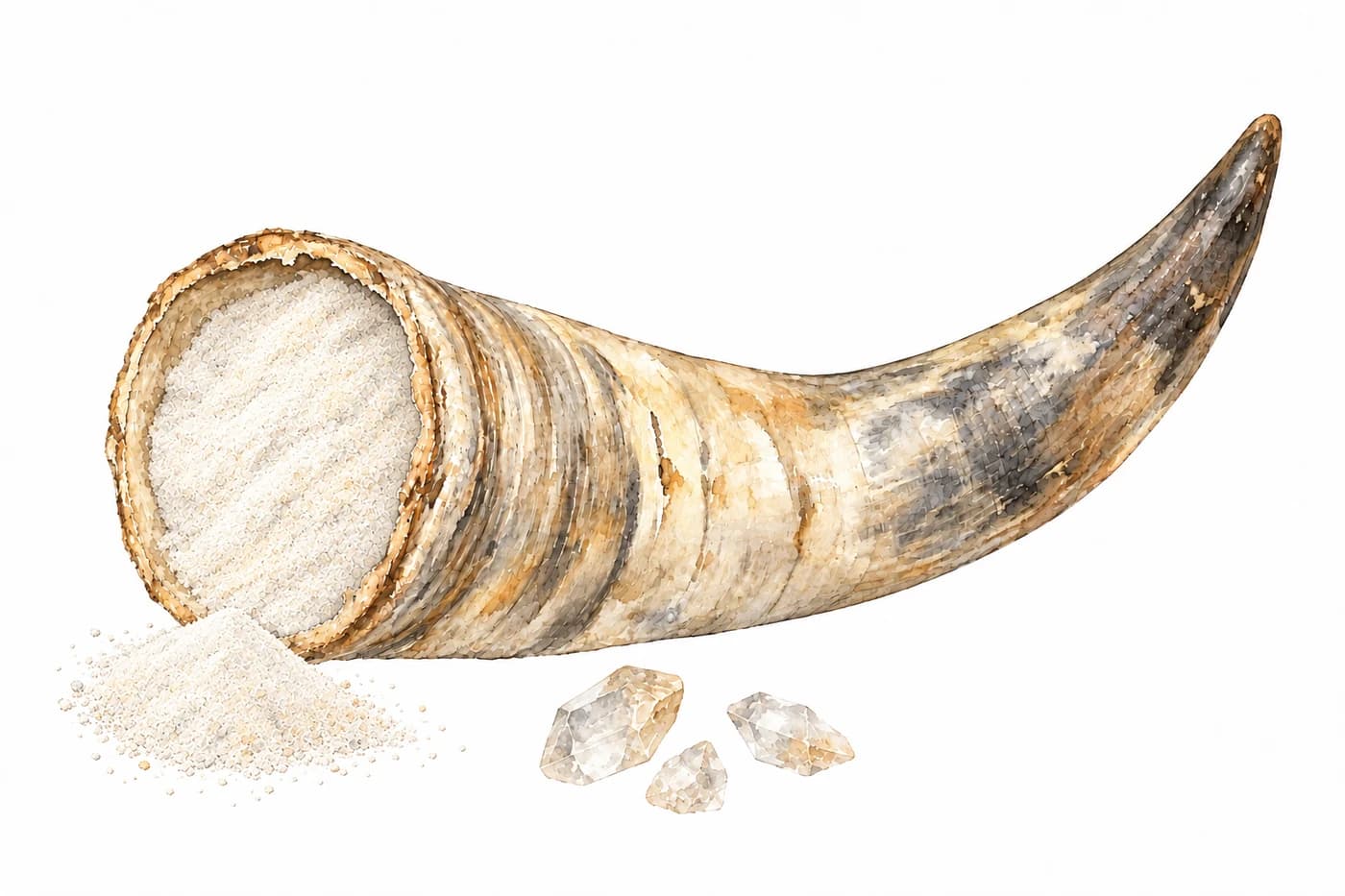 Horn silica 501from €14.19View preparation →
 Horsetail preparation 508from €14.19View preparation →
All biodynamic preparations →How much do I need? Open the preparation calculator →
More plants by the moon
Gardening by the moon
 Planting and transplanting by the moon
 Repotting by the moon
 Pruning by the moon
 Fertilising and soil work by the moon
 Harvesting by the moon
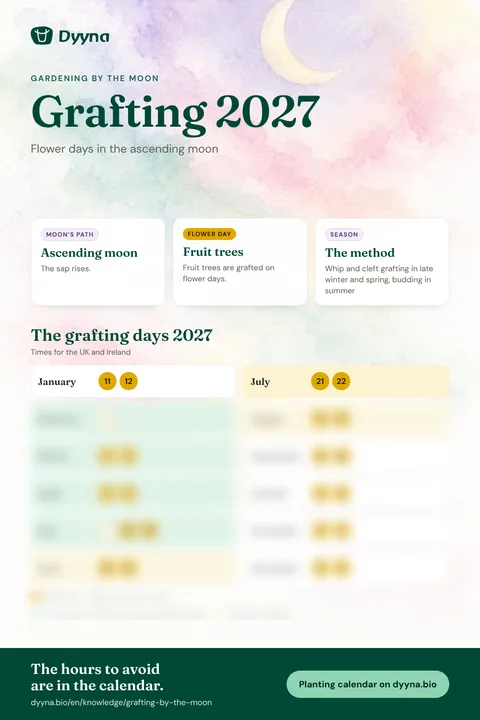 Grafting by the moon
 Watering by the moon calendar 2026
 Mowing and sowing the lawn by the moon calendar 2026
 Cutting the hedge by the moon calendar 2026
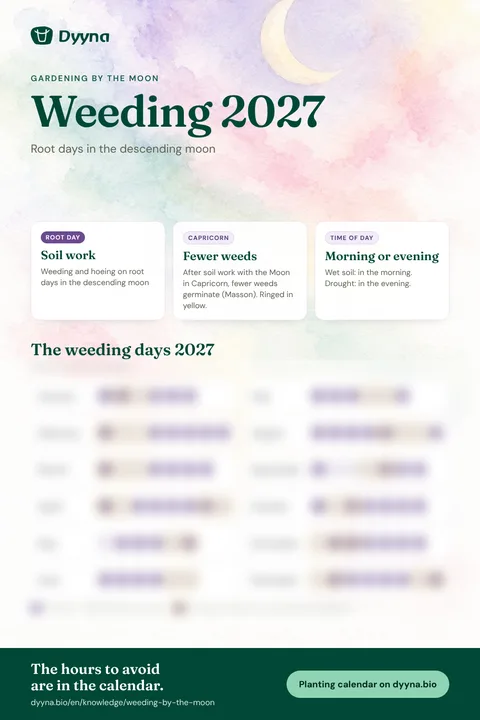 Weeding by the moon calendar 2026
 Houseplants by the moon calendar 2026
- Felling trees and cutting timber by the moon 2026
Sources: Demeter-Gartenrundbrief 3/2026 · Demeter-Gartenrundbrief 1/2026 · Demeter-Gartenrundbrief 2/2026 · Demeter-Gartenrundbrief 3/2024 · Demeter-Gartenrundbrief 3/2023 · Demeter-Gartenrundbrief 5/2023 · Demeter-Gartenrundbrief 4/2023 · Demeter-Gartenrundbrief 5/2025 · Pierre Masson: Landwirtschaft, Garten- und Weinbau biodynamisch