Biodynamic pioneers
After Rudolf Steiner, pioneers such as Ehrenfried Pfeiffer, Maria Thun and Peter Proctor shaped biodynamic practice, and authors such as Wistinghausen, Masson and Stappung documented it.
The sowing days in your inbox once a month
The calendar mail brings the sowing days and all gardening sheets as PDFs every month. Free, unsubscribe with one click.
Who shaped biodynamics after Steiner?
Rudolf Steiner provided the impulse in 1924, but it took the generations after him to turn the biodynamic method into tested practice. Steiner expressly saw his Agriculture Course as a prompt for research; the actual development, testing and worldwide spread were the work of others. A few figures stand out.
The pioneers of practice
Ehrenfried Pfeiffer (1899–1961) was a student of Steiner's, a soil researcher and one of the most important early pioneers. Together with Ita Wegman and Gunther Wachsmuth, he was among those who made the first batch of horn manure 500, even before the Agriculture Course of 1924. Pfeiffer developed the method of "sensitive crystallisation", wrote the first account of biodynamic agriculture for a general readership in 1938, and after emigrating to the USA in 1940 took the method there and helped found the American biodynamic movement.
Maria Thun (1922–2012) developed the sowing calendar (from 1963) and the division into root, leaf, flower and fruit days through decades of growing trials. The barrel compost also goes back to her.
Peter Proctor (1928–2018) from New Zealand took biodynamics to India from the 1990s and helped set up the first Demeter-certified farms there, such as tea gardens in Darjeeling. He developed the "cow pat pit" (CPP), a variant of barrel compost intended for tropical climates, and became widely known through the film "One Man, One Cow, One Planet".
The authors of specialist knowledge
Today's preparation practice is well documented above all thanks to three authors:
Eckard von Wistinghausen wrote the standard works on making and using the field spray and manure preparations, the most detailed step-by-step reference on preparation practice in the German-speaking world. Pierre Masson wrote a comprehensive handbook for agriculture, gardening and winegrowing from France, the heartland of biodynamics; it is particularly influential in winegrowing. Walter Stappung produced an exceptionally detailed account of the manure preparations that brings together how they are made, how they are used and the state of research.
The oldest farms still working biodynamically
After the 1924 course, farms across Europe and soon overseas converted. Some are gone; these still farm biodynamically today.
- 1926
Zeeland, Netherlands
Converted as a public company with Ehrenfried Pfeiffer. Today a mixed farm with cattle, strip cropping, fruit and nut trees, bakery, café and farm shop.
- 1927
Carinthia, Austria
Converted by the owner’s daughters. Today a community with social therapy, kindergarten, market garden and 100 hectares of woodland, arable and grassland.
- 1927
Hesse, Germany
The market garden of a women’s settlement converts. Today suckler cows, vegetables, fruit and a veg box, alongside a school and conference house.
- 1927
New York, USA
Founded by the Threefold Group. Today a farm community with market garden, CSA, seed growing, dairy cows and raw-milk cheese.
- 1930
Thurgau, Switzerland
Oswaldhof
Converted by the Oswald family. Today a 33-hectare family farm with dairy, arable and meadow orchards, held by an association.
- 1946
Scotland
Today a Camphill community with café, bakery and 95 hectares of farmland, mainly dairy cattle and sheep.
- 1964
Victoria, Australia
Converted by the Greenwood family. Today grazing cattle on 250 hectares and an orchard of apples and pears on 75 hectares.
Also from the first decades and still biodynamic: Marienhöhe (1928), Rengoldshausen (1928), Talhof (1929), Bauckhof (1932), Zinniker Farm in Wisconsin (1941), Finca Irlanda in Chiapas, Mexico (1968).
Source
Compiled from the knowledge graphic “The oldest biodynamic farms” in Lebendige Erde (1/2023).
Frequently asked questions about the pioneers
Who made the first biodynamic preparations?
Ehrenfried Pfeiffer was involved, with Ita Wegman and Gunther Wachsmuth, in making the first horn manure, even before the Agriculture Course of 1924.
Who took biodynamics to India?
Peter Proctor (1928–2018), who set up farms there from the 1990s and developed the cow pat pit.
Which authors is today's preparation practice based on?
Mainly Wistinghausen (making and using the preparations), Pierre Masson (gardening and winegrowing) and Walter Stappung (manure preparations).
Buy and use biodynamic preparations
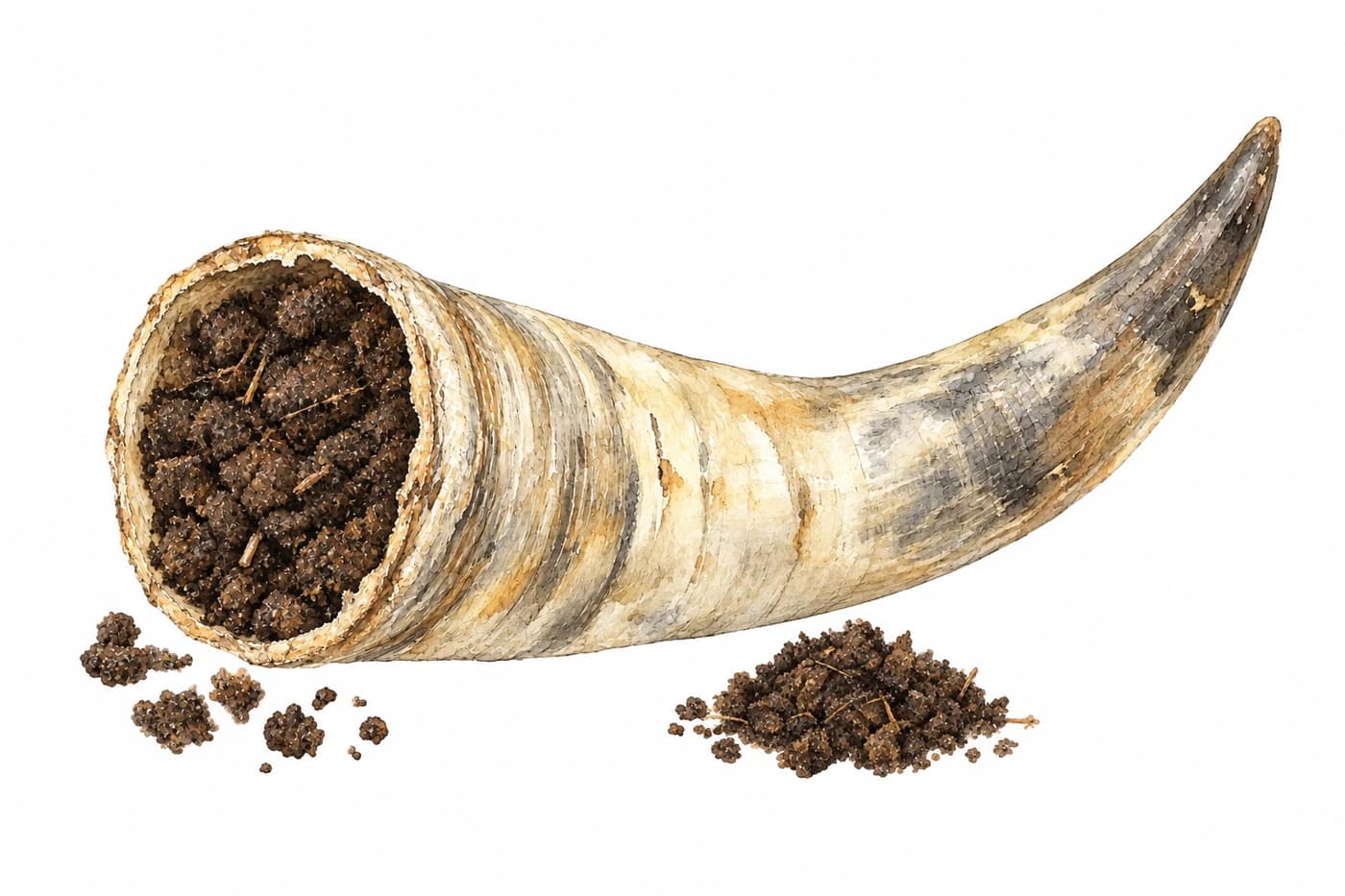 Horn manure 500from €19.69View preparation →
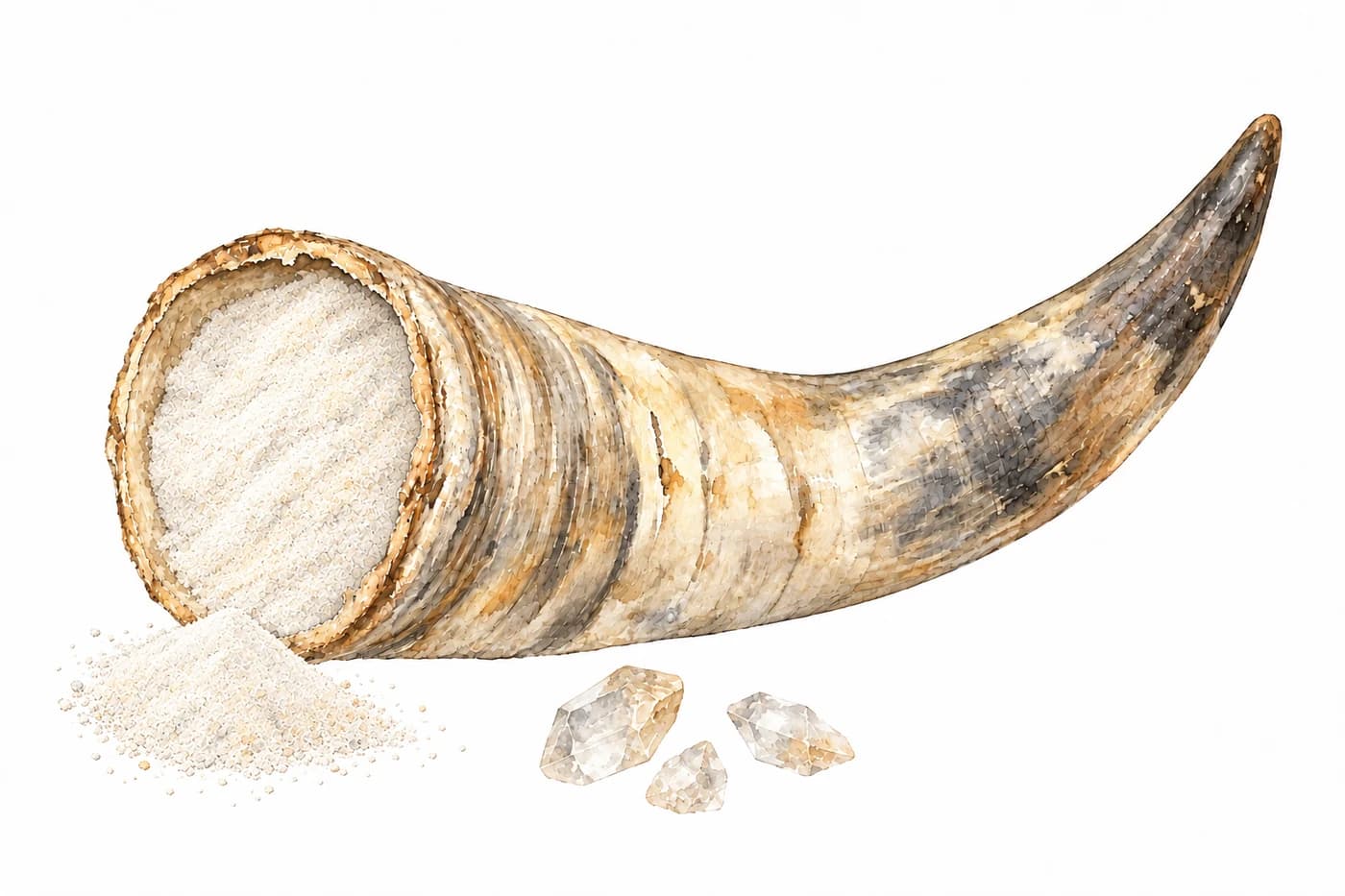 Horn silica 501from €14.19View preparation →
 Horsetail preparation 508from €14.19View preparation →
All biodynamic preparations →How much do I need? Open the preparation calculator →